Advertising

2015年3月2日星期一

The Real Reason Red Meat Raises Your Heart Disease Risk

If its saturated fat doesn’t harm your ticker, what does?


We all did a collective happy dance when news recently broke that, nope, eating more saturated fat doesn’t increase the risk of heart disease. But while we hate to be the bearers of bad news, red meat may still be less-than-heart-healthy.
A new study published by Cleveland Clinic explains why: Bacteria in your gut turn L-carnitine, a nutrient found in red meat, into various compounds that promote atherosclerosis, formation of plaque in the arteries that contributes to heart disease.
While the body produces all of the carnitine it needs for energy production, too-high levels—typically due to high intake of L-carnitine-rich foods such as red meat—can raise the risk of heart disease. In fact, previous research from Cleveland Clinic shows that carnitine levels are a better predictor of cardiac events (heart attack, stroke, etc.) than are blood-cholesterol levels.
However, it’s not the L-carnitine itself that poses a problem. It’s how your gut microbes digest it, says study author Stanley Hazen, M.D., Ph.D., director of the Center for Cardiovascular Diagnostics & Prevention at Cleveland Clinic Lerner Research Institute. He hopes that his identification of the pathways through which that happens will help develop ways to block it in the future.
For now, Hazen suggests limiting your intake of L-carnitine-rich foods, especially red meat. Keep in mind that while processed red meats (cold cuts, dot dogs, etc.) generally contain less L-carnitine than does fresh red meat, according to Harvard Medical School, research from Brigham and Women’s Hospital and Harvard show that consumption of them still carries a far greater risk than does eating fresh red meats. The crazy sodium levels in processed meats may be to blame.
But that’s not the only contributor to too-high levels. Get this: Energy drinks and certain supplements are brimming with L-carnitine. (Read the label before you buy!) And while you probably have no need to cut down on your consumption of heart-healthy fish or chicken, they both do contain L-carnitine—although about five to 10 times less than red meat.

Money saving tips for healthy eating with voucher codes from Sainsburys, Ocado and Graze

Losing a few of those Christmas pounds is on the minds of many at this time of year but sensible healthy eating isn’t about fad diets, which is why you should make the most of current Sainsburys voucher codes, Ocado voucher codes, Waitrose voucher codes, Tesco voucher codes and Graze voucher codes to help you save a bit of money on some healthy eating habits in the New Year. And if your better eating resolutions have already fallen by the wayside, that’s even more of a reason to start from scratch again with these Sainsburys voucher codes and the like…

For long term healthier eating, completely cutting out bad foods isn’t really the way to go – you’ll only end up craving them even more and increasing the potential for you to fall of that healthy-eating wagon in dramatic fashion. The very best thing you can do is cut down, and this will save you money straight off. An easy way to do this is by ordering your shopping online using Sainsburys voucher codes, Ocado voucher codes, Waitrose voucher codes or Tesco voucher codes – you can see exactly how much you have in your trolley and how much you’re spending, and if you set yourself a snack limit, there’s no way you’re going to break it if you can double check your order before you pay.
If you’re buying groceries online for the first time then both Sainsburys voucher codes and Ocado voucher codes can offer you substantial savings – with Sainsburys voucher codes, save £20 on your first order when you spend £100 or more, and with Ocado voucher codes, either save £10 when you spend £50 or more, or £20 when you spend £80 or more.
But what about replacing all those treats with something healthier? Well, the first thing you can do is check out current Sainsburys voucher codes and Ocado voucher codes for any special offers relating to fruit or other healthy snacks. However, you should be weary of buying too much fruit in bulk – the chances are you won’t feel like eating it all before it starts to get past its best and wasting your pounds defeats the whole ‘saving money on healthy eating’ objective here. Instead, use Sainsburys voucher codes and Ocado voucher code to see if you can save on their many multi-buy deals – this is also a great way of adding a bit of variety to your healthier diet.
Once you’ve shopped with one supermarket, you might think that your online grocery savings options will then be a bit limited, what with most of the offers being geared towards first time customers. Well, this is where having so many big supermarkets comes in handy – why not shop with another, especially when there are Tesco voucher codes and Waitrose voucher codes available too? With current Tesco voucher codes you can save £15 on your first order when you spend £60, but Waitrose voucher codes go several steps further – not only can you use Waitrose voucher codes to save £15 off your first shop when you spend £100 or more, but you can also then get £20 off your second shop, and then claim £10 off not only your third order but your fourth and your fifth too! So if you start your healthy shopping and eating habits with Tesco voucher codes and Waitrose voucher codes, there’s no reason why you can’t continue.

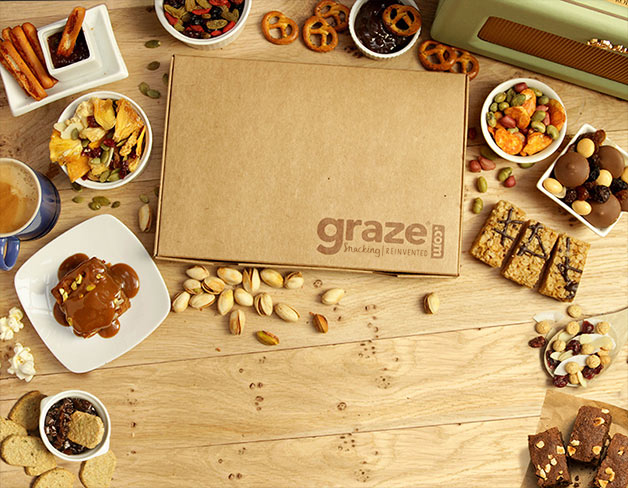
When it comes to other types of snacks, Graze voucher codes offer you a good introduction as with Graze voucher codes you can get enticing, healthy snacks delivered direct. Although this might seem like a more costly way to fill you up between meals, Graze voucher codes can get you an initial discount with either your first 2 boxes at half price, or you can claim a free box. The snacks on offer with Graze voucher codes can also give you a bit of inspiration when concocting your own healthy snacks from scratch and are an easy way to snack at work, saving you money on last-minute purchases when hunger gets the better of you.
These Sainsburys voucher codes, Ocado voucher codes, Tesco voucher codes, Waitrose voucher codes and Graze voucher codes are an excellent starting point and if you use them sensibly you can begin the road to you own successful and cost-efficient healthy eating plan.

7 Reasons Kissing is Good for Your Health

By Kate Moriarty 

Ever had a kiss that swept you off your feet—the kind that leaves you light-headed, with your fingers and toes tingling? Turns out those post-pucker-up butterflies aren’t the only benefits of a big smooch; kisses can actually help keep you healthy! As if you needed another reason to lay one on your crush from psych class…
According to Andréa Demirjian, author of Kissing: Everything You Ever Wanted to Know About One of Life’s Sweetest Pleasures, kisses can do all kinds of wonders for the body. We asked Demirjian—aka “The Kissing Expert”—for the best health benefits of puckering up.
1. It Lowers Your Blood Pressure
While no two kisses are the same, they all tend to do the same thing: get your heart pumping. That characteristic thump-thump you feel mid-make-out does more than set your spirits soaring; according to Demirjian, kissing “immediately increases your heart rate but lowers your blood pressure.” The combination sends you into a more mellow state; you feel good, even zen, the way you would after a workout. Basically, it’s a feel-good aerobic activity that doesn’t require spandex and running shoes!
It seems counterintuitive, though; why would your blood pressure lower if your heart rate is skyrocketing? Apparently, kissing gives you an adrenaline rush, and adrenaline makes your blood vessels dilate. Once your vessels are dilated, more blood can flow through the body, and your blood pressure stabilizes over time. “If you were going to get your blood pressure taken at the doctor’s, you would probably [have] a perfect, healthy blood pressure level,” Demirjian says. No complaints here!
2. It Relieves Physical Pain
Let’s be honest, though: the last thing we want to think about while kissing is our blood vessels dilating. It’s not exactly a sexy image, and there are so many other sexy things to focus on in the moment instead! Still, that dilation can do wonders when we need it most—specifically when we’re in pain.
“When we’re on our period and we have bad cramps, it’s because our blood vessels are constricted,” Demirjian says. “So I know a lot of times when you’re not feeling too snappy with your period, the last thing you want to do is make out with anyone, but it’s actually the best thing for you because it’s a sort of natural way of taking a few Advil.” It isn’t the only way of dealing with menstrual cramps, but it’s certainly the best way we’ve heard of.
The same pain-relieving principle applies to headaches. Headaches can also caused by constricted blood vessels, and sexual stimulation—like kissing—helps loosen the pressure. So forget popping Midol and Advil—just pucker up!
3. It Releases Happy Chemicals
Whether you call them warm fuzzies or butterflies in your stomach, you know the feeling: that “I’m-the-queen-of-the-world” kind of feeling you get after a top-notch smooch (some of you might even hear “A Whole New World” playing softly somewhere... we aren’t judging).
Well, it shouldn’t come as a surprise that it isn’t all in your head; kissing really does improve your mood, thanks to the fact that it triggers so-called “feel-good chemicals.”
“Kissing gets all of the happy serotonin [and] dopamine chemicals in the brain going,” Demirjian says. Serotonin puts you in a positive mood; dopamine helps the brain process pleasure, pain and emotion; and the third feel-good chemical kissing releases, oxytocin, affects feelings of attachment and affection. “And again, it’s like the same thing as a workout,” Demirjian explains. “You know after a workout you have that kind of high, you feel kind of exhilarated, you’re clear-headed and you feel like you’re in a good mood? Kissing activates the same sort of reaction in the pituitary [gland] and [the rest of] the brain.”
Obviously, the effects aren’t exactly the same as if you were to hit the treadmill for a half hour, but combined with the excitement of landing that perfect smooch, the “feel-good chemicals” will send you soaring.
4. It Prevents Cavities
Kissing may not be a one-way ticket to pristine oral hygiene, but it definitely helps. According to Demirjian, kissing can mean fewer cavities!
“When you’re kissing frequently, you’re secreting a lot of saliva, and saliva is what really washes away plaque,” she explains. “So you’re going to have [fewer] cavities, less tartar buildup [and] less gingivitis, so you have a healthier mouth.”
But don’t drop your floss just yet, collegiettes (you’ll probably be hard-pressed to find someone willing to smooch you with bad breath, for one thing). Clearly, kissing alone isn’t enough to dig deep at that plaque in between your teeth—and honestly, if you’re with someone who doespossess those excavating kissing abilities, we highly suggest moving on!
5. It Improves Your Complexion
Sick of popping pimples? Try puckering up instead. Apparently, kissing keeps your pituitary gland in check, which can clear up your complexion. And kissing is so much more fun than pricey facials!
“The brain is this insane operating center,” Demirjian explains. “It’s controlling your glands, your pituitary—all of those things that, in our teen and adolescent years (and that can go into college, too), are creating more oil.” If you’re kissing on a more regular basis, the blood dilation in your face basically keeps things from getting clogged up. While kissing itself won’t clear up severe acne, it could prevent breakouts down the line.
Demirjian adds that, similar to how a lot of kissing keeps your lips rosy and plump, a lot of kissing keeps your cheeks rosy and fresh as well. Not to mention the fact that a cuddle-and-kiss sesh can tone down your anxiety come midterms (or anytime, really), and anxiety is known to lead to breakouts.
6. It Tightens Your Facial Muscles
Speaking of faces, it turns out that making out does more for your visage than just clear up your pores. Demirjian says it actually works your muscles, too. Finally, a workout for your face! We don’t need it, of course, but it’s pretty cool that it happens on its own.
“Vigorous kissing and making out basically keep your neck and jaw line in good shape and toned,” Demirjian says. “I tell a lot of women, ‘Don’t be running to the plastic surgeon—just make out a lot. You’ll get the same effect.’”
Fortunately, we collegiettes don’t need to be concerned with sagging skin. Still, it’s nice to know that stretching our necks for a kiss today may keep saggy skin at bay in the faraway future!
7. It Burns Calories
We know, we know: despite all of the amazing benefits of heart-pounding make-outs, kissing just doesn’t have the same effects as hitting the gym (but a collegiette can dream!). Still, kissing does burn some calories, and every bit can count. According to Demirjian, you can burn around 11 calories in a hot-and-heavy, half-hour-long make-out session. Mind you, it has to be vigorous kissing, so don’t use make-outs as an excuse to avoid workouts --at least, not all the time. Just rev up the passion in your free time and get going!

Not everyone has the ability to make out on a whim—most of us aren’t in relationships, and many of us haven’t even been kissed yet. Whatever your status—single, taken or in a serious relationship with Netflixthanks very much—you can take comfort in the fact that your next kiss will reap some major health benefits. In Demirjian’s words, “A kiss a day keeps the doctor away!”

2015年2月23日星期一

The Look That Men Find Most Attractive

We think you'll be pleasantly surprised by this new research.


Well this is refreshing: It turns out, both men and women find women more attractive when they have less makeup on, according to a new study published in The Quarterly Journal of Experimental Psychology
For the study, researchers recruited 44 women to model for photographs. They presented the models with a wide range of makeup and asked them to apply it as if they were going out for the night. The models were photographed pre- and post-makeup application. 
Then these photos were altered to create 21 pictures of each woman with various amounts of makeup on and presented to 44 observers (22 male, 22 female). The observer could move through the images smoothly, seeing a gradual increase and decrease in makeup. Then they were asked to choose which version of each woman was the most attractive to them, which version they thought would be the most attractive to men, and which version they thought would be most attractive to women. 
Interestingly, women preferred a bit more makeup than men did (but not much). But here's the major news: The models put on over 30 percent moremakeup than any observer found attractive, which was also more than what any observer thought others would find attractive. So chances are, you're overdoing it on the makeup front. 
Both men and women thought that other people would prefer more makeup than they themselves preferred—so apparently, we think we're in the minority if we prefer a more natural look. And both sexes assumed that men would prefer more makeup than the women would; in reality, the opposite was true. 
Well, there it is—when it comes to makeup, less really is more. So, if you're piling on products to please anyone other than yourself, you might want to use that old jewelry trick and take one thing off before you leave the house. 

2015年2月16日星期一

6 Reasons Your Butt Is Red and Itchy

Help for any and all rear-related issues


When redness and irritation shows up on or inside your butt, this poses a challenge. First, unless you have Gisele-like flexibility, it’s hard to whip your head around and fully assess the damage. Then there’s the embarrassment factor. Do you really want to drop trou and stick your cheeks out for your dermatologist? Didn’t think so. Before it comes to that (and it might, depending on how serious things are and what the treatment requires), check out our guide to decoding the signs behind six common rear-end rashes.

Surprise—this STD doesn’t only strike the mucus membranes of the genitals and mouth. “It’s not uncommon for herpes to infect the skin of your bottom, and the signs would be similar to that of an oral or genital herpes outbreak, including one or more tiny blisters grouped close together,” says Sarika M. Ramachandran, M.D., assistant professor of dermatology at New York University Langone Medical Center. The treatment is also the same: diagnosis by your derm or ob-gyn and then a script for antiviral meds, which will speed healing.

“This is the same fungal infection as athlete’s foot and jock itch, but it shows up on your behind,” says Ramachandran. Fungi thrive in moist, dark places, which is why this infection tends to occur on body parts that rub together, creating lots of heat and friction (hello, butt crack!). An OTC antifungal cream should get rid of it, but if that doesn’t work, your doc can prescribe something stronger.

This happens when dead skin cells and bacteria clog the hair follicles on your cheeks and upper thighs. It’s unsightly, but it’s nothing serious: Ease it by applying an OTC benzoyl peroxide product, and prevent it from returning by showering after a gym session and wearing fabrics that let your butt skin breathe.

Psoriasis, a chronic, non-contagious skin condition, is caused by the overproduction of skin cells—and it loves to show up in that dimple between your lower back and crack, says Ramachandran. Other signs include white, pink, or silver patches and flaking. It also tends to form on the elbows, scalp, and nails. Psoriasis needs to be treated with prescription steroid creams, so if you suspect you have it, check in with your derm.

Those stretchy black tights you’re practically living in right now? They’re big-time eczema offenders, trapping heat and sweat between your skin and the synthetic material, triggering this itchy, red skin condition, says Ramachandran. Ease it the way you would if you had eczema on any other patch of skin: by applying moisturizer or an OTC hydrocortisone cream. Also, wear more breathable all-cotton or natural-fiber material so your skin gets some fresh air. If you’re still itchy, your derm can give you stronger meds.

These small protrusions of veins can be irritating, painful, and itchy, thanks to the swelling and inflammation that develops around them, says Ramachandran. It sounds gross, sure, but hemorrhoids are very common and are usually caused by pressure from chronic constipation or pregnancy. OTC hemorrhoid creams can numb the pain, reduce swelling, and nix the itch. But if yours keep acting up and leave you squirming, see your doctor about other treatment options, like surgery.

2015年2月4日星期三

3 Quick Calorie-Burning Interval Workouts

Mix and match these cardio-sculpting workouts to melt fat—fast


What if we told you that you could get all the better-body benefits of a half-hour workout in just 8 minutes? Sound too good to be true? We thought so too—until we talked to the experts. The secret is supercharged, high-intensity interval training, a shorter but revved-up version of typical interval workouts. In fact, scientists are so excited about these new findings that the American College of Sports Medicine hosted a special session on the topic. Try one—or all—of our speedy routines, ranging from 8 to 20 minutes. In just 2 weeks, you'll see a fitter, firmer body. Keep it up to get a flat belly, slim thighs, and even drop a size this month—without dieting.
Why Intervals Slim Faster
Introducing short bouts of vigorous activity can speed up weight loss and cut your workout time by up to half or more. Australian researchers found that women who alternated just 8 seconds of high-intensity cardio exercise with 12 seconds of low-intensity activity for 20 minutes, 3 times a week, slimmed down faster than steady-paced exercisers who worked out twice as long. Those who did intervals lost up to 16 pounds, shrunk their bellies by 12% and their thighs by 15%, and gained, on average, 1½ pounds of metabolism-revving muscle in 4 months—without dieting.
Intervals increase calorie burn both during and after exercise, which helps you lose weight faster. They may also work on a biochemical level. Vigorous activity normally produces lactate, a by-product of the breakdown of carbs for energy that inhibits fat burning, says lead author E. Gail Trapp, PhD, exercise science researcher at the University of New South Wales, Australia. It appears that by doing supershort bouts, lactate production is reduced to blast fat more effectively. At the same time, interval workouts may increase adrenaline, a hormone that helps to burn belly fat.
The Expert: Craig Ballantyne, a Toronto-based exercise physiologist and strength coach who specializes in interval routines, designed the workouts.
The Workouts At A Glance:
What you'll need: Supportive athletic or walking shoes (specifically running ones if that's what you're doing), watch with a second hand or timer, cardio machine for Workout #2.
What to do: Choose one of our supercharged high-intensity interval workouts--or mix and match them—and perform it 3 times a week on nonconsecutive days.
How to do it: During low-intensity portions, you should be able to easily carry on a conversation. When you kick it into high gear, push yourself to the point that talking is nearly impossible. "Research shows that just about anyone—including people with heart disease, diabetes, or obesity—can safely benefit from vigorous, short bouts," says Martin Gibala, PhD, professor of kinesiology at McMaster University in Ontario. If you have any health conditions or don't exercise regularly, check with your doctor before trying these routines.
For faster results: Add traditional cardio and strength training workouts to your schedule. 
Workout #1: 8-minute energy booster
When McMaster University researchers had adults do four 30-second sprints (that's just 2 minutes of intense exercise!) on stationary bikes with easy pedaling in between, 3 days a week, they doubled their fitness capacity (the strength of their heart, lungs, and arteries) after 6 weeks and reported feeling stronger, firmer, and more energetic in just 2 weeks.
Our 8-minute workout, based on this study, delivers the same powerful 2 minutes of vigorous activity but in shorter bouts—15 seconds each—so you can really give it your all for faster results. For variety and to work different muscles, try this routine using the Fat-Blaster Moves from Workout #3.
MinutesActivity
0:00Warm up, walking at a moderate pace
2:00Sprint, running as fast as you can
2:15Walk at an easy pace
2:45Sprint
3:00Walk
3:30Alternate 15-second Sprint and 30-second Walk intervals 6 more times
8:00Finish

Workout #2: 12-minute calorie burner

Here's an indoor alternative to the 8-minute routine that delivers the same fabulous results. You can use any cardio machine, including a treadmill, an elliptical, or a stationary bike. The session and intervals are slightly longer (12 minutes total with 20- and 40-second intervals) to allow time for the equipment to adjust to the different intensity levels.
MinutesActivity
0:00Warm up by going at an easy pace
2:00Rev it up, increasing speed, incline, or resistance so you're pushing yourself really hard
2:20Take it easy, decreasing speed, incline, or resistance so you're going at a comfortable, moderate pace
3:00Rev it up
3:20Take it easy
4:00Alternate 20-second Rev It Up and 40-second Take It Easy intervals 7 more times
11:00Cool down by going at an easy pace
12:00Finish

Workout #3: 20-minute fat blaster

This high-energy plan, based on Australian research, will reshape your body in no time. The simple Fat-Blasting Moves (at right) make it doable almost anywhere. We've matched the interval ratio from the study, but the bouts are slightly longer (12 and 18 seconds) to allow you to transition between moves and still hit your peak effort level to burn maximum fat. Marching in place is an easy way to recover in between. For a challenge, try this routine alternating sprints and walking like in Workout #1. 

MinutesActivity
0:00Warm up by walking around or marching in place
2:00Jumping Jacks
2:12March in place
2:30Speed Skater
2:42March in place
3:00High Knees
3:12March in place
3:30Twist
3:42March in place
4:00Repeat above intervals 7 more times in the order listed
18:00Cool down by walking around or marching in place
20:00Finish


 1. Jumping Jacks
Yep, the ones you used to do in PE class. Go as fast as you can.
 2. Speed Skater
Stand with feet together, arms at sides. Jump to right, leading with right leg. Left leg follows and crosses behind right foot as you land. Simultaneously reach left arm across body as if trying to touch floor. Repeat to left. Jump side to side as quickly as possible.
 
3. High Knees
Run in place as fast as you can, lifting knees out in front of you as high as possible. Swing arms at sides.
 4. Twist
Stand with feet a few inches apart. Hop and rotate knees to right as arms go to left, landing with knees bent. Repeat, twisting in opposite direction.

2015年2月1日星期日

Is Your Sunscreen Giving You The Full Protection Promised?

You may not want to believe everything you read on a label.

 BY KENNY THAPOUNG


Before you rub or spray any sunscreen at the beach, you need to read this: Many sunscreens may not guarantee the protection they provide, according to new research from the Consumer Reports National Research Center.
Researchers tested 20 different water-resistant, broad-spectrum sunscreen lotions and sprays for their effectiveness against UVB radiation (which causes sunburn) and UVA rays (which can lead to aged skin). Sunscreens were applied to test subjects' backs. All of them were supposed to last for 80 minutes of constant water immersion, so researchers tested this by having subjects soak in and out of a tub for that amount of time without re-applying. A sun simulator was used to apply UVB radiation and then UVA radiation. After one day, their skin was examined for redness (signs of UVB) and tanning (signs of UVA).
So how many products passed the test? Only seven (!) sunscreens performed well enough against both types of radiation to be recommended by Consumer Reports. And interestingly, only two products sampled (one SPF 50 and one SPF 50+) actually provided the SPF protection promised on the packaging. The other sunscreens provided between four percent and 40 percent less UVB coverage than they claimed. More than half of the products tested well for UVA protection.
Such an eye-opener, right? But don't let this news send you into panic mode. Representatives we spoke to at Consumer Report didn't have access to the laboratory's entire methodology, so it's unclear what might have led to these surprising results or if there were any flaws in the study—like if subjects toweled off after getting out of the water, accidentally rubbing off some sunscreen. This doesn't necessarily mean that all sunscreen labels are lying—it may just mean that following the directions on the label may not always provide the optimal protection for every person in every situation.
Even though these results may seem a little discouraging, we still know that sunscreen is one of your best defenses against UVA and UVB rays. The American Academy of Dermatology (AAD) recommends sticking to a water-resistant, broad-spectrum protection (similar to the ones in this study) with SPF 30 or higher. But if you're still getting burned, you should take it up to SPF 50, says Erica Kelly, M.D., an associate professor in the department of dermatology at the University of Texas Medical Branch.
Kelly also notes that you should avoid the sun during midday (when UV rays are at their strongest) and reapply sunscreen (about a shot glass amount for every exposed skin area) if you've been sweating a lot, if you've been in the water, or if you've been sitting in the sun for 80 minutes or longer. Remember, even water-resistant sunscreen isn't totally waterproof—you should still reapply after you towel off. The AAD suggests reapplying after every two hours, but Kelly says you can slather it on more often if necessary.

The 8 Best Foods for Your Gut

Your immune system will sing when you work these digestive wonder foods onto the menu.


best foods for your gut

Your gut is like a forest, full of diverse life that—if kept in check—helps your whole natural system flourish. The problem is, food isn’t as simple as it used to be, and modern cuisine, even modern medicine like antibiotics, can do a real number on the biodiversity in your digestive tract—your beneficial bacteria. In fact, too many meds and eating too much sugar and processed foods can actually suppress this protective gastrointestinal army, so it’s important to bring balance and stability back to your gut for optimal health to avoid diarrhea and diseases. In fact, many of these probiotic-rich foods will actually help you glow on the outside, too. Studies have found probiotics help combat skin problems.
#1: Kefir
The Benefit: Kind of like a drinkable yogurt, kefir is a fermented dairy product that contains oligosaccharides, complex carbs, that feed beneficial bacteria. And keeping those tiny microorganisms content will help supercharge your immune system.
Healthy Tip: Keep your kefir cold—the live and active cultures are sensitive to heat—and be sure to avoid kefir with sky-high sugar content. Too much sugar damages your healthy intestinal flora.

#2: Greek Yogurt
The Benefit: Like kefir, Greek yogurt also serves as a potent dairy-based probiotic, and also boasts 15 to 20 grams of protein per 6-ounce serving and amino acids that will jump-start your metabolism.
Healthy Tip: Some companies market “Greek style” yogurt products that are nothing more than regular yogurt containing additives like gelatin and milk solids to thicken the consistency. For true Greek yogurt, check the ingredients list. It should only read: Milk and cultures.
#3: Real Sauerkraut
The Benefit: Sauerkraut is really fermented cabbage, a preservation technique that far precedes modern-day refrigeration.
Healthy Tip: For true probiotic muscle, avoid canned sauerkraut, because it’s pasteurized, meaning the healthy bacteria is mostly killed off. Instead, make your own homemade sauerkraut in a crock. 
#4: Kimchi
The Benefit: A standby for centuries in Korean culture, this spicy fermented cabbage dish acts like a tonic for your gastrointestinal tract. A 2005 Seoul National University study found it's so beneficial to the immune system that it helped speed recovery in chickens stricken with the virulent avian flu.
Healthy Tip: Add kimchi to organic mashed potatoes, rice, or salads if the distinctly sour, fizzy fare isn't appetizing to you on its own.
#5: Artichokes
The Benefit: Artichokes are potent prebiotics, meaning they contain undigestible nutrients that help feed the beneficial bacteria growth within your digestive system. Think of them like a healthy meal for the helpful bacteria in your gut.
Healthy Tip: If artichokes don’t delight your taste buds, try other potent prebiotics like bananas, lentils, and asparagus.
#6: Kombucha
The Benefit: With its naturally fizzy profile, this fermented tea serves as a healthy replacement for carbonated drinks like soda. Mildly tart and effervescent, kombucha is teeming with beneficial bacteria to coat your digestive tract. The fermentation process (kick-started by a translucent, wiggly culture called a "scoby") also creates healthy B vitamins that can activate energy.
Healthy Tip: This ancient, nourishing tonic has boosted immune systems for centuries; however, if you have certain digestive-tract diseases or candida, kombucha may aggravate symptoms because it's considered a wild ferment and could contain irritating yeasts for susceptible individuals.
#7: Miso Soup
The Benefit: While there's debate surrounding the health benefits of soy, the truth is fermented soybeans contain an abundance of beneficial bacteria and isoflavones, which can protect against cancer and possibly halt the production of fat cells.
Healthy Tip: Look for organic miso soup to avoid harmful additives and genetically engineered soy, which has never been tested for long-term impact on human health.
#8: Dark Chocolate 
The Benefit: This is not too good to be true! Louisiana State University researchers recently discovered that certain bacteria in the stomach gobble down the chocolate and ferment it into anti-inflammatory compounds that are good for the heart!
The good microbes, such as Bifidobacterium and lactic acid bacteria, feast on chocolate, explains study author Maria Moore, and undergraduate and research at the university. "When these compounds are absorbed by the body, they lessen the inflammation of cardiovascular tissue, reducing the long-term risk of stroke," said John Finley, PhD, who led the work. He said that this study is the first to look at the effects of dark chocolate on the various types of bacteria in the stomach.
Healthy Tip: Look for chocolate with at least 70 percent cacao and eat it regularly to help build up levels of cocoa's polyphenols, which help regulate your stress hormones, explains Will Clower, PhD, neurophysiologist, neuroscientist, nutritionist, and author of the new book Eat Chocolate, Lose Weight. Clower says the higher the cocoa, the lower the sugar. Translation? He recommends an adult can enjoy a full ounce of chocolate during the day if it's 70 percent cocoa; 1¼ ounces if it's 85 percent cocoa.

5 Pills That Might Be Hurting You

It's time to stop ignoring the aches and pains and finally live a healthy life.

BY JULIA WESTBROOK


back-pain


More Americans are suffering from chronic pain than have diabetes, according to a panel of researchers at the National Institutes of Health. While 29 million people are diagnosed with diabetes, the panel estimated that 100 million Americans live with chronic pain.
While the statistics are staggering, the scary truth is that, despite the apparent universality of pain, there isn't nearly enough research on safe, effective treatments.
"We learned that sufficient clinical research doesn't exist to show physicians how best to treat chronic pain in adults, many of whom suffer from multiple health problems," said panel member and founding director of the Indiana University Center for Aging Research, Christopher Callahan, MD.
Instead, our medical system is heavily reliant on painkillers, both over-the-counter and prescription, despite the fact that, according the panel, clinicians recognize that pain narcotics aren't the solution for long-term pain treatment. (Here are 5 reasons over-the-counter painkillers are a bad idea.)
Gary Kaplan, DO, author of Total Recovery: Solving the Mystery of Chronic Pain and Depression, explains that medication—either for treating pains or treating other conditions—can be at the root of chronic pain. "Because of the powerful, short-term effectiveness of many drugs, we're beginning to experience polypharmaceutical problems, where patients end up taking one drug to treat the side effects of other drugs," he explains.
"The rough guideline I give my patients about taking medications is this: A drug has to work better than the side effects it creates," he says. "If it doesn't, get rid of it." Of course, it's important to do so under the supervision of your doctor, he adds.
While it's easy to tune out the side-effect disclaimer on pharmaceutical ads, you may want to talk to your doctor if you're experiencing chronic pain and are taking one of these prescriptions:
Statins
Statins are commonly used to lower cholesterol. "They can be the cause of cataracts and unexplained muscle pain. Some studies show they may increase your risk of developing diabetes," says Dr. Kaplan.
Diet can have a big impact on cholesterol. Consider eating avocados, as research has shown that they're a food that helps lower cholesterol.

Nonsteroidal Anti-Inflammatory Drugs (NSAIDs)
In the ultimate irony, your painkiller might be causing you more discomfort. "More than 70 percent of people chronically taking NSAIDs—such as ibuprofen (Advil, Motrin), naproxen (Naprosyn), diclofenac (Voltaren), and aspirin (Bayer, Bufferin)—will get ulcers in their small intestines, creating a permeability problem (aka leaky gut syndrome)," says Dr. Kaplan.
Leaky gut is associated with all kinds of painful issues, including food sensitivities, joint pain, headaches, and psoriasis.
Antibiotics
Speaking of your gut, taking antibiotics may be causing more painful inflammation than the infection itself. "Multiple treatments of antibiotics for any reason can profoundly change the gut flora," says Dr. Kaplan. "Those changes can then damage the intestinal tract enough to create leaky gut syndrome, which will result in inflammation and activate the microglia."
While he doesn't dismiss the lifesaving importance of antibiotics, Dr. Kaplan recommends balancing their use with a probiotic supplement. And be sure to support a your gut bacteria with healthy foods.
Opioids
Another counterintuitive finding: Dr. Kaplan says that opioids can heighten your sensitivity to pain. "Additionally, these painkillers—such as codeine, hydrocodone (Vicodin), morphine (Avinza), and oxycodone (Percocet)—can lead to depression, constipation, and sexual dysfunction," he says.
Instead of popping a pill for your pain, consider meditation as an effective treatment.
Sleeping Pills
Sleep is so important for your health, but popping a pill to get there isn't the answer. "A chronic reliance on any type of sleeping pill—such as zolpidem (Ambien), eszopiclone (Lunesta), or zaleplon (Sonata)—can, in the short term, make it hard to focus and, in the long run, even shorten your life span," says Dr. Kaplan. Plus, you might be missing key warning signs of sleep apnea.

4 Ways Women Can Fight Chronic Pain

You don't have to live with the pain any more. Here are 4 natural solutions for common painful problems for women.

BY JULIA WESTBROOK

woman-pain

Men may have a reputation for sucking it up and soldiering on, but it's women who are the ones suffering in silence from chronic pain, according to a research review by the American Society of Anesthesiologists (ASA). To add insult to already-painful injury, the study revealed that most of this pain is unnecessary and treatment is often ineffective or, worse, harmful.
"I can't tell you the number of women I see who have been told they just have to live with the pain," said Donna-Ann Thomas, MD, a member of the ASA's committee on pain medicine. "It's just heartbreaking because many of these women have been suffering a long time. Women, especially older women, are less likely to speak up and seek treatment for their pain."
And when women do report pain, the medical solutions can do more damage than the original cause. For instance, the researchers found that 1 in 7 expecting mothers were prescribed opioids for pregnancy pains—a practice that is unhealthy for both the mom and baby.
Even seemingly safe over-the-counter painkillers often harbor unpleasant side effects. "People take nonsteroidal anti-inflammatory drugs (NSAIDs) like breath mints and think nothing of it," says Gary Kaplan, DO, author of Total Recovery: Solving the Mystery of Chronic Pain and Depression. "In fact, there are more than 32,000 hospitalizations each year as a result of complications from taking NSAIDs and more than 3,200 deaths a year. These are not benign drugs."
Instead of ignoring the pain or reaching for painkillers, try these natural solutions for women's common aches and pains:
#1. Fix magnesium deficiencies. "Because of the blood loss during their menstrual cycles, women are more prone to magnesium deficiencies than men," says Dr. Kaplan, and deficiency can lead to a whole host of painful issues, from migraines to muscle pain. He recommends adding foods high in magnesium to your diet. Indulge in leafy greens, dried apricots, avocados, almonds, cashews, and bananas, as well as other magnesium-rich foods.
#2. Opt for a rose oil massage for cramps. Rose oil doesn't just smell nice; it can also ease menstrual pain. Research has found that rubbing rose oil on your abdomen relieves menstrual pain, whereas using unscented almond oil was found to be ineffective.
#3. Say "om" to eradicate back pain. It sounds counterintuitive: Twist and bend your spine to reduce pain? Research says yes. In a 12-week yoga program, those who completed the program had less back pain, while those who didn't do any yoga said their back pain worsened. (Try this gentle yoga routine to relieve your lower-back pain.)

#4. Bring your playlist into the delivery room. Welcome your baby into the world with a fanfare of music. A study of 156 women found that those who listened to music during labor reported less pain and anxiety during labor and needed less pain relief afterward.